
Poor Oral Hygiene and Health Risks
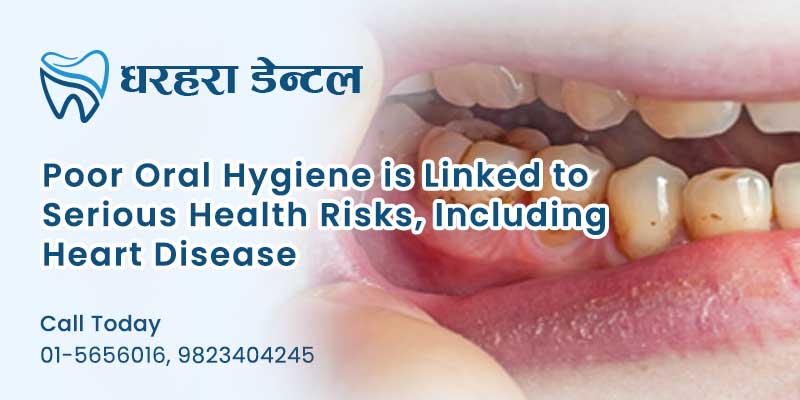
Poor Oral Hygiene is Linked to Serious Health Risks, Including Heart Disease
Introduction:
Oral hygiene isn't just about keeping your smile bright. The state of your oral health has a profound effect on your overall health. A growing body of research has shown a strong link between poor oral hygiene and serious health conditions, such as heart disease. In this blog, we'll delve into why maintaining good oral hygiene is essential not only for your mouth but also for your heart and overall well-being.
What is Poor Oral Hygiene?
Poor oral hygiene occurs when you neglect regular brushing, flossing, and dental check-ups. This allows plaque, a sticky layer of bacteria, to build up on your teeth and gums. Over time, plaque hardens into tartar, leading to gum disease (gingivitis) and other dental problems. If left untreated, these conditions can escalate into more serious health risks.
The Connection Between Oral Hygiene and Heart Disease
The link between oral health and heart disease is not purely coincidental. Studies suggest that the bacteria from gum disease can enter the bloodstream and contribute to the development of heart disease. Here’s how:
- Bacteria Entering the Bloodstream: When you have gum disease, the tissue around your teeth becomes inflamed and can bleed, allowing bacteria to enter your bloodstream.
- Increased Inflammation: These harmful bacteria trigger inflammation in your body, including in your blood vessels. Chronic inflammation is a known contributor to heart disease, as it can lead to the buildup of fatty plaques in your arteries, a condition known as atherosclerosis.
- Risk of Heart Attack and Stroke: If these plaques rupture, they can cause blood clots to form, increasing the risk of heart attacks and strokes. This is why people with gum disease are at a higher risk for cardiovascular problems.
The Link Between Gum Disease and Other Health Risks
In addition to heart disease, poor oral hygiene and gum disease have been associated with other serious health conditions, such as:
- Diabetes: People with diabetes are more likely to develop gum disease. Conversely, gum disease can make it harder to control blood sugar levels.
- Respiratory Problems: Bacteria from infected gums can be inhaled into the lungs, leading to respiratory problems such as pneumonia.
- Pregnancy Complications: Gum disease has been linked to premature birth and low birth weight. Pregnant women should prioritize their oral health to avoid these risks.
How to Improve Your Oral Hygiene
Good oral hygiene practices can go a long way in preventing gum disease and reducing the risk of heart disease and other health complications. Here are some essential tips:
- Brush Twice a Day: Use fluoride toothpaste and a soft-bristled toothbrush to brush your teeth for at least two minutes. This helps remove plaque and bacteria.
- Floss Daily: Flossing is essential to clean areas between your teeth that your toothbrush can’t reach. It helps prevent plaque buildup and gum disease.
- Visit Your Dentist Regularly: Regular dental check-ups can help detect early signs of gum disease and other oral health issues. Your dentist can also perform professional cleanings to remove tartar buildup.
- Eat a Balanced Diet: A healthy diet rich in fruits, vegetables, and whole grains can help support good oral health. Avoid sugary foods and drinks that contribute to plaque buildup.
- Quit Smoking: Smoking is a major risk factor for gum disease and can worsen oral health. Quitting smoking can improve both your oral and overall health.
Why You Should Prioritize Oral Health for Your Heart
Maintaining a healthy mouth isn’t just about aesthetics or comfort – it's a crucial aspect of overall well-being. The link between oral health and heart disease is a powerful reminder that our health is interconnected. By practicing good oral hygiene and visiting your dentist regularly, you can help protect your heart and other vital organs.
Conclusion:
Poor oral hygiene isn’t something to be taken lightly. The connection between gum disease and heart disease is real and significant. By taking the necessary steps to maintain good oral hygiene, you can significantly reduce your risk of heart disease and other serious health conditions. Remember, your smile isn't just a reflection of your oral health, but an important indicator of your overall health. Don’t neglect your mouth – it’s essential for your heart and your life!
FAQs
How does poor oral hygiene lead to heart disease?
Poor oral hygiene leads to the buildup of bacteria in the mouth. These bacteria can enter the bloodstream, trigger inflammation, and contribute to the development of heart disease.
Can brushing my teeth prevent heart disease?
While brushing alone can't prevent heart disease, maintaining good oral hygiene is crucial for reducing your risk of gum disease, which is linked to heart disease.
How often should I see a dentist?
It’s recommended to see a dentist at least once every six months for a check-up and professional cleaning to maintain optimal oral health.
What are the signs of gum disease?
Common signs include swollen or bleeding gums, bad breath, and loose teeth. If you notice any of these symptoms, it’s important to see your dentist immediately.